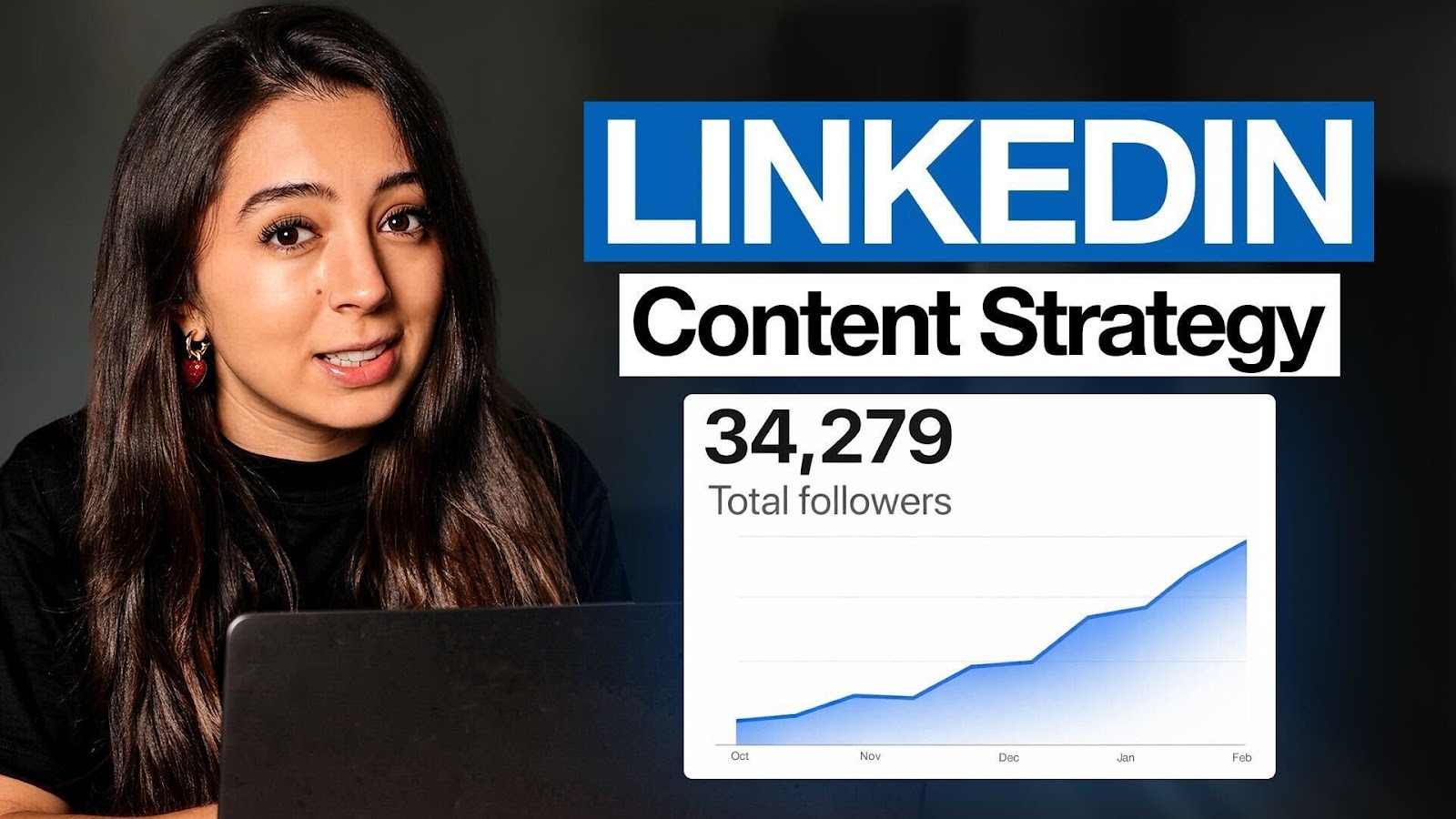
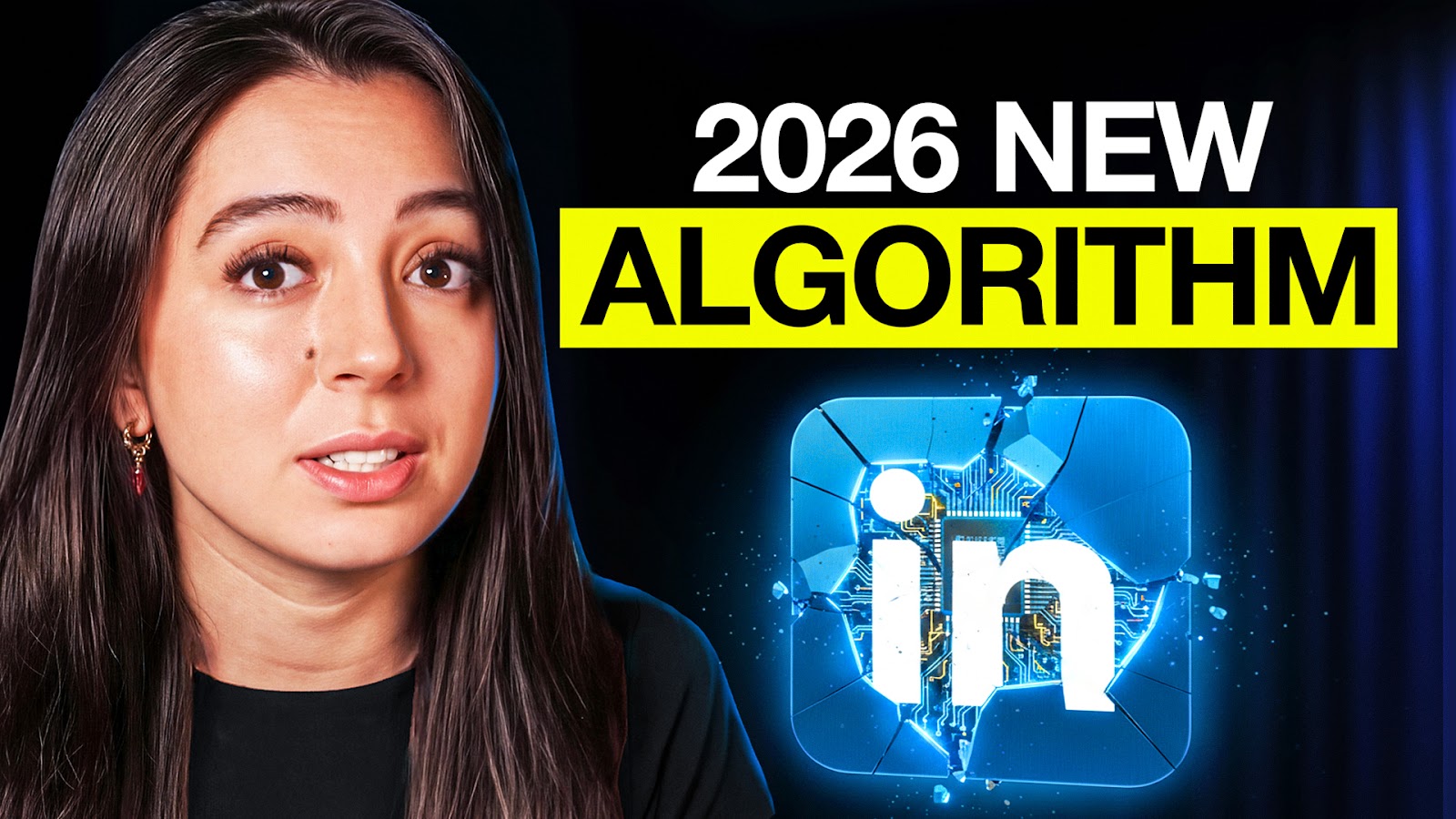
If you’ve been posting on LinkedIn and watching your impressions drop month after month, you’re not imagining it. It’s real. And it’s happening to everyone.
But here’s something that might mess with your head – I’ve generated more leads and closed more deals from posts getting 5,000 impressions than I ever did when I was hitting 100,000.
That’s not a humble brag. That’s the entire point.
The game changed. LinkedIn quietly rebuilt its algorithm from the ground up, and most of the advice you’re still following was designed for a platform that no longer exists.
I broke down the full technical details, the data, and the new playbook in this video. But here’s the summary of what you need to know – and what to do about it.
Why everyone’s reach is down
Six months ago, I posted a simple question to my feed: “Why do you think impressions are low for everyone?”
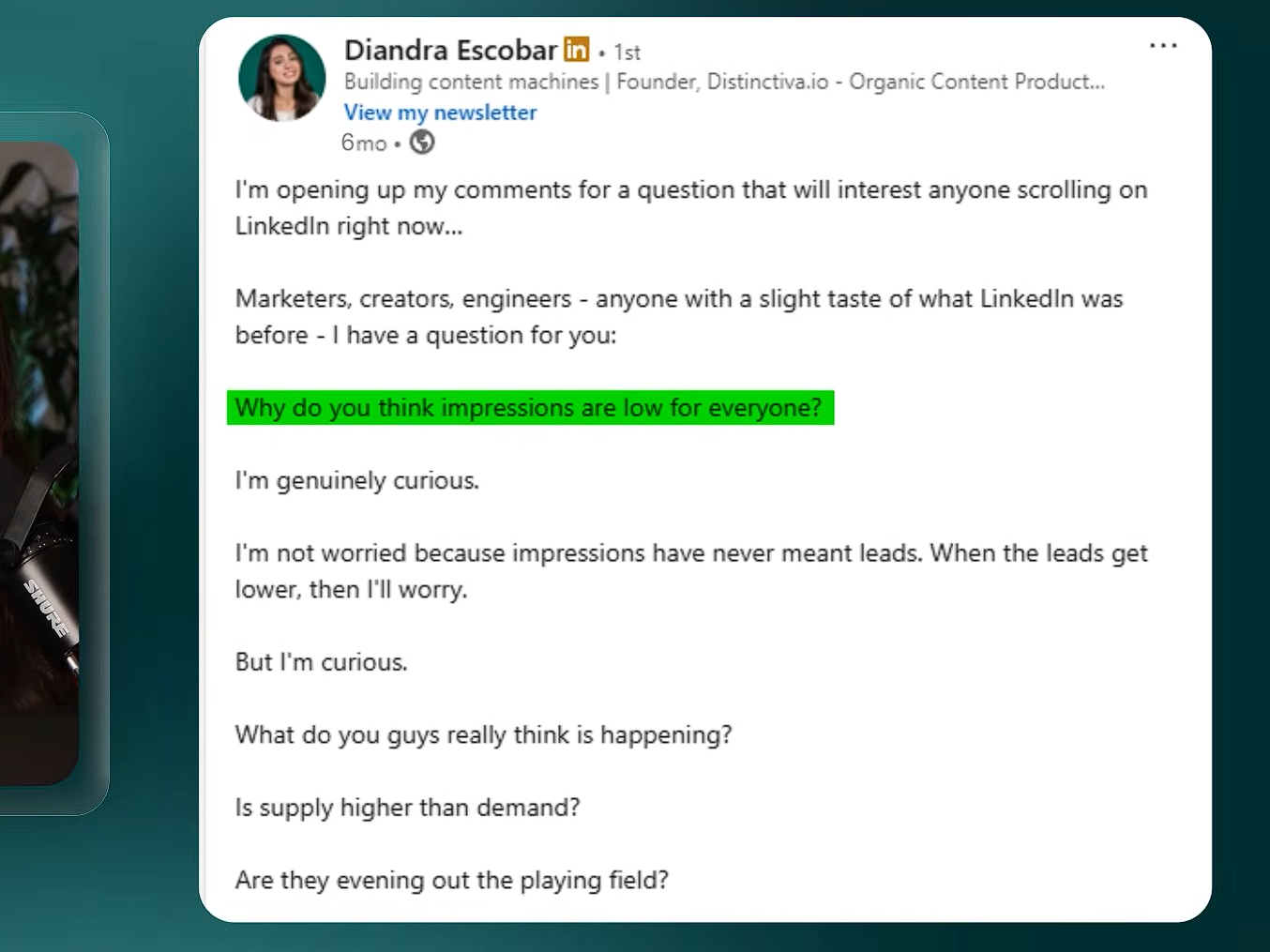
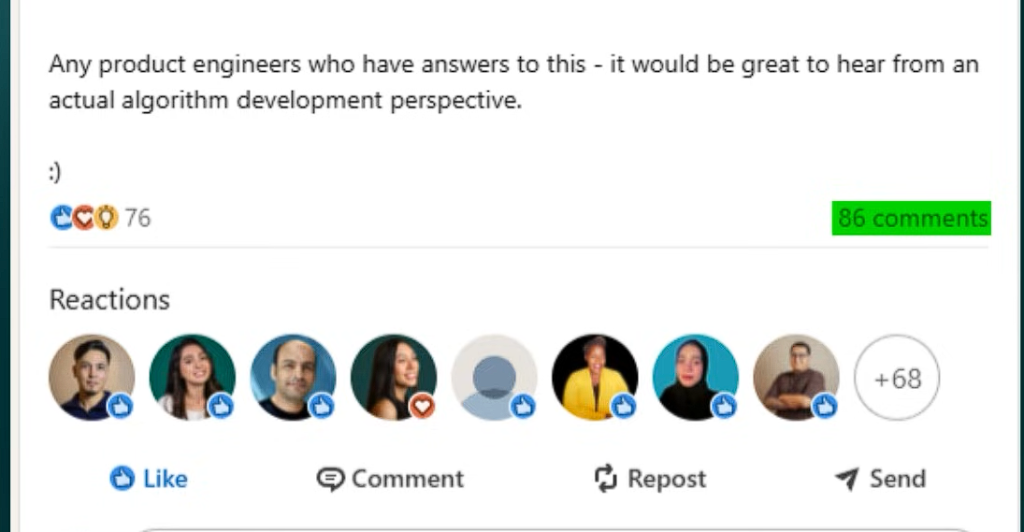
I got 86 comments. Marketers, creators, engineers – all guessing. Content supply is exploding but demand is fixed. LinkedIn is shifting to pay-to-play like Facebook. They’re testing new ranking factors. Everyone had theories.
Then LinkedIn published a research paper. Nine pages, buried in an archive, written by their own engineers. And it explains everything.
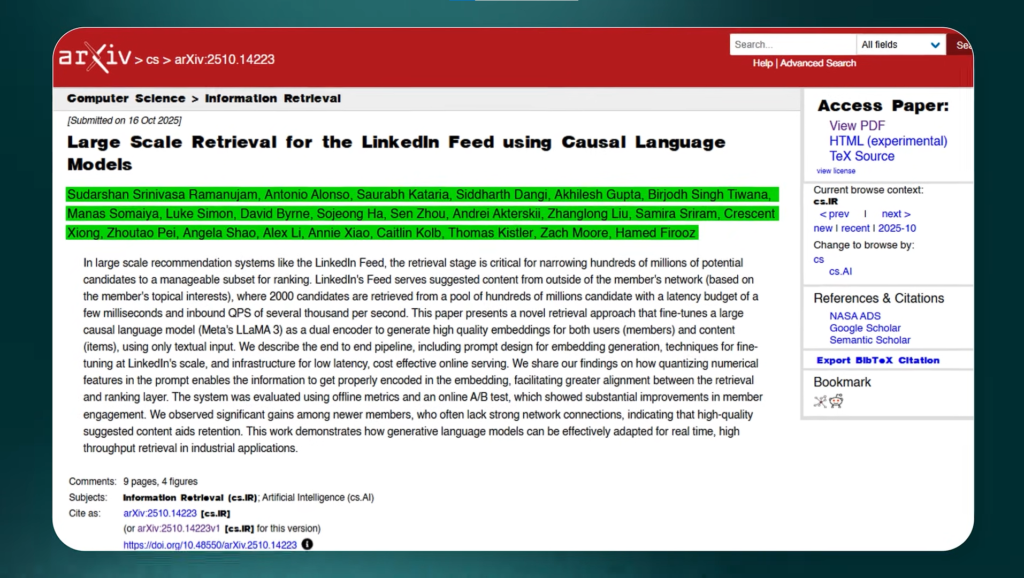
Three things happened at once that caused the shift. The platform matured – more users, more content, more competition for the same feed space. AI tools made it possible for anyone to produce quality content, so supply exploded. And LinkedIn rebuilt the entire algorithm.
That third part is what nobody’s talking about.
How LinkedIn used to work
For years, LinkedIn ran on what they called a “feature factory” – a collection of separate systems, each doing one job. One system tracked trending topics. Another handled hashtags. Another measured who you’re connected to. Another looked at early engagement velocity. There was collaborative filtering, inverted indices of chronologically ordered activities, and two-tower embedding models all running independently.
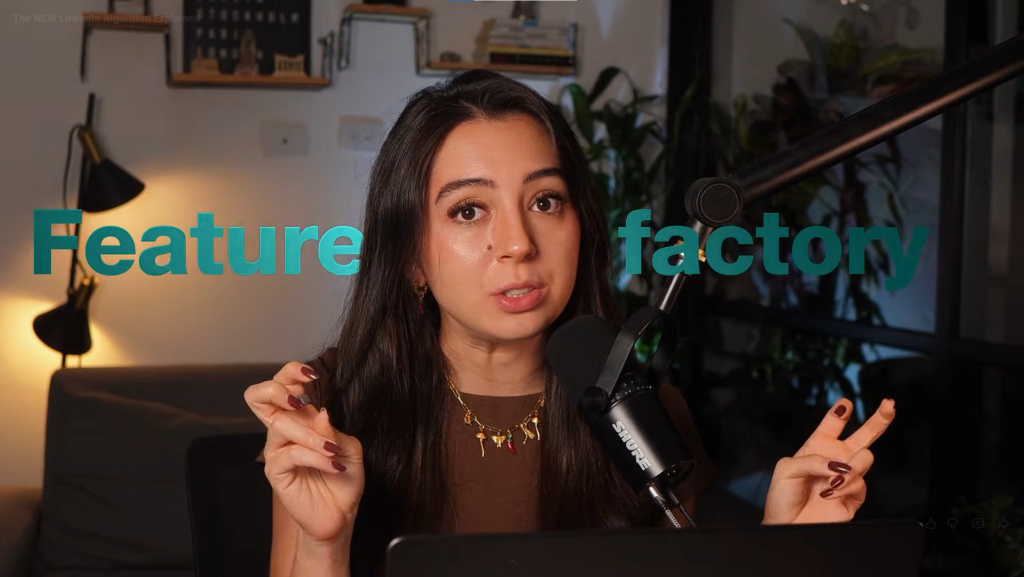
All these separate systems would each produce a set of candidates for your feed, and then a ranker would try to merge them together and decide what to show you. If your post hit certain triggers (like getting comments in the first hour, using the right hashtags, or matching a trending topic) it got pushed out through one of these individual pipelines.
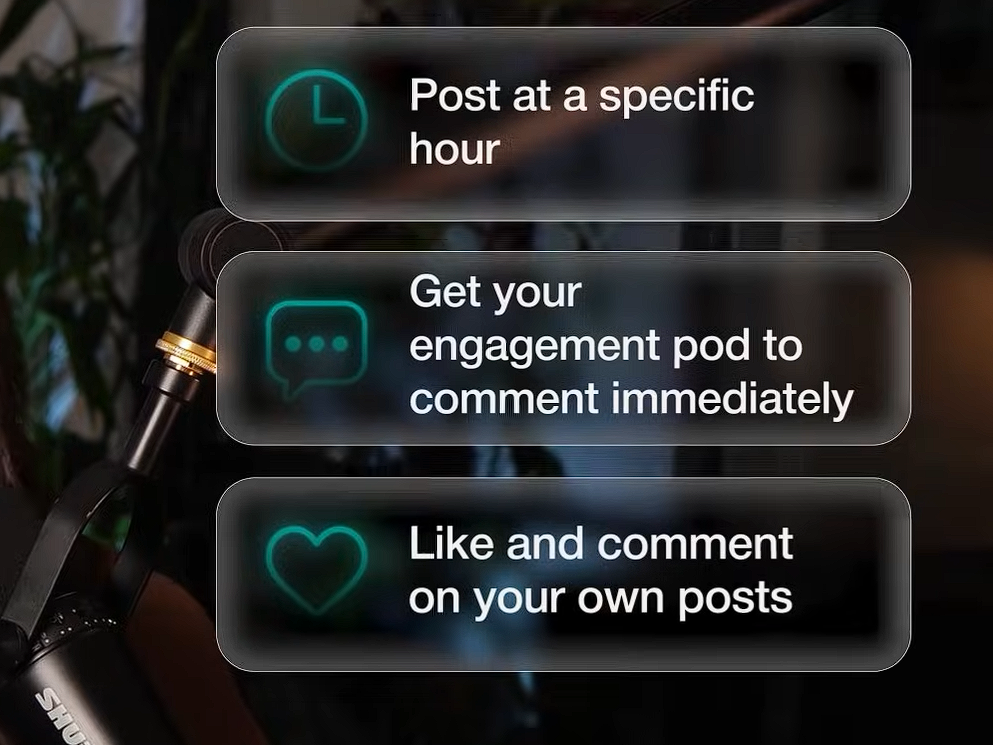
That’s why the old advice worked. Post at a specific hour so you catch the engagement velocity system. Get your engagement pod to comment immediately so the early signals system picks it up. Use strategic hashtags so the hashtag index finds you. These were hacks that gamed the individual systems.
But the engineering team at LinkedIn basically said: this multi-index architecture created so much complexity and operational overhead that it was holding them back. So they scrapped it.
How it works now (GPURAR – the new system)
LinkedIn replaced everything with a single unified model called GPURAR (GPU Retrieval as Ranking). And this is where it gets interesting if you care about what’s actually happening under the hood.
The old system used multiple separate retrieval pipelines. The new system uses one AI model – a fine-tuned version of Meta’s LLaMA 3, specifically trained on LinkedIn’s own engagement data. Not a generic AI. An AI that has been optimized using billions of real LinkedIn interactions to understand what content is relevant to which professionals.
Here’s the technical architecture, simplified.
1. Your profile becomes a text prompt. The system takes your entire profile – headline, industry, skills, job history, certifications, about section – and converts it into a text prompt. Everything that used to be structured data sitting in a database is now natural language that gets fed directly into the AI. Your profile is literally an input prompt for a language model.
2. Your activity history gets tracked. The system maintains a time-ordered sequence of every post you’ve engaged with. Not just liked – commented on, dwelled on, clicked through, saved, shared.
It builds what’s essentially a professional curiosity fingerprint based on what you actually do, not what your profile says you’re interested in. And it weighs recent behavior more heavily, so if your interests shift, the system adapts.
3. Posts get embedded into a shared vector space. When someone creates a post, the system analyzes the content, the author’s profile, the post type, and early performance signals.
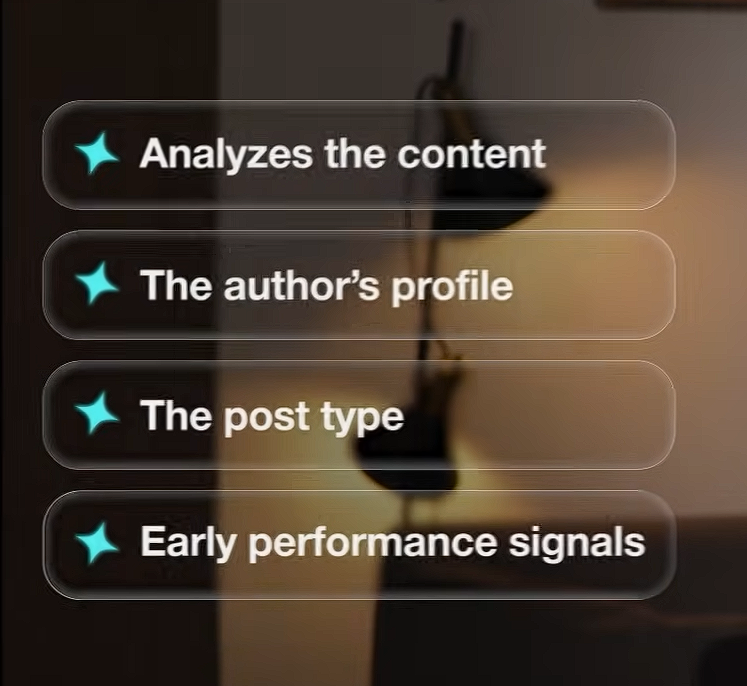
All of this gets processed through the same LLM and converted into a mathematical embedding – a dense numerical representation at just 50 dimensions that captures the semantic meaning of the post. To put that in perspective, LinkedIn’s own post embeddings outperform OpenAI’s embedding models on LinkedIn-specific tasks. They didn’t use a generic off-the-shelf solution. They built something custom for their platform.
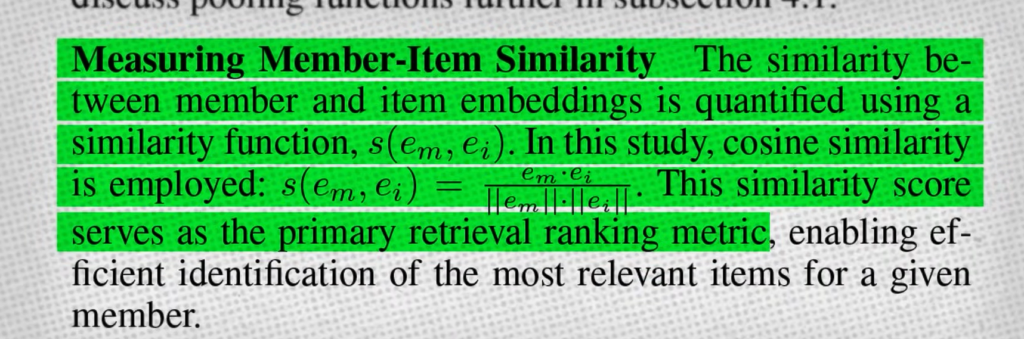
4. The dual encoder does the matching. Here’s the key innovation. Both your member profile and each post get processed through the same shared language model (a dual encoder architecture). They end up as embeddings in the same vector space. Then the system measures similarity between your member embedding and every post embedding. If they’re close together in that space – meaning the AI thinks, based on everything it knows about your professional behavior, that you’d find this post valuable – it shows up in your feed.
The scale is wild. Every time you open LinkedIn, the system retrieves roughly 2,000 candidate posts from a pool of hundreds of millions – and it does this in milliseconds. Not seconds. Milliseconds. Thousands of users are making these requests simultaneously, and the system processes them all in real time.
New content gets indexed fast. Newly created posts are indexed in the GPURAR system within one minute of being published. When people interact with an existing post (comments, likes, shares), those engagement signals update the post’s embedding within about 30 minutes. So the system is constantly learning and re-evaluating content based on real engagement data.
Evergreen content gets a second life. This is a huge shift. The old system was heavily biased toward recency – new posts got pushed, old posts died within hours. The new system matches content to interest regardless of when it was posted. If someone’s professional interests align with a post you wrote three weeks ago, they might still see it. Evergreen content matters more than it ever has on LinkedIn.
The bottom line: the old system asked “is this post getting early traction?” The new system asks “based on everything I know about this specific person’s professional world, would they find this post genuinely relevant?”
That’s a fundamentally different question. And it changes everything about how you should create content.
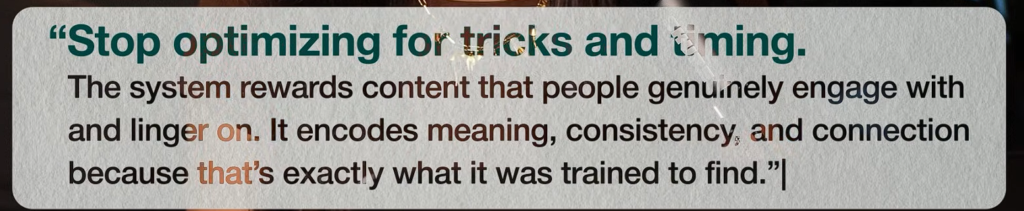
This is a direct quote from an AI architech who analyzed the paper:
I go much deeper into the technical mechanics of this in the full video breakdown.
What the data actually shows
LinkedIn ran A/B tests before rolling out the new system, and the results are buried in that research paper.
For members with fewer connections and followers, the new system produced a 3.29% increase in revenue metrics and a 1.17% increase in professional interactions. Smaller accounts saw measurably better results under the new system.
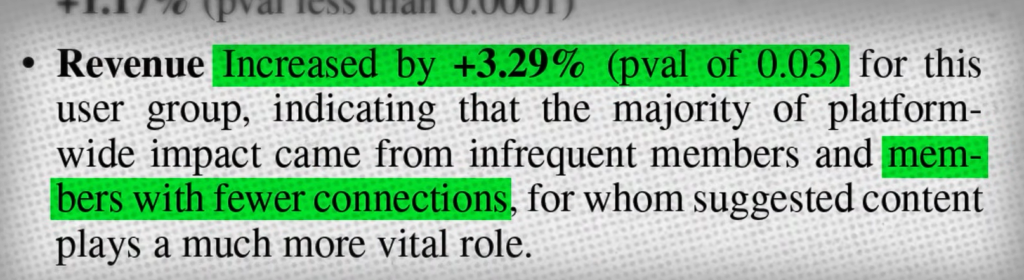
Why? Because the old multi-index system was structurally biased toward people who already had large networks. More connections meant more people saw your content by default through the network-based retrieval pipelines. The rich got richer.
The new system doesn’t work that way. Since it matches based on semantic relevance (not network size), a post from someone with 2,000 followers can land in the feed of someone who has no connection to them at all – as long as the content is genuinely relevant to their professional interests. The AI doesn’t care how many followers you have. It cares whether your content matches what someone is looking for.
Shield Analytics published data from 50,000 posts confirming this pattern. A top-performing post from someone with 5-10k followers gets about 5,500 impressions. A median post from someone with 25-50k followers gets about 2,400. A great post from a smaller account now outperforms an average post from an account five times its size._
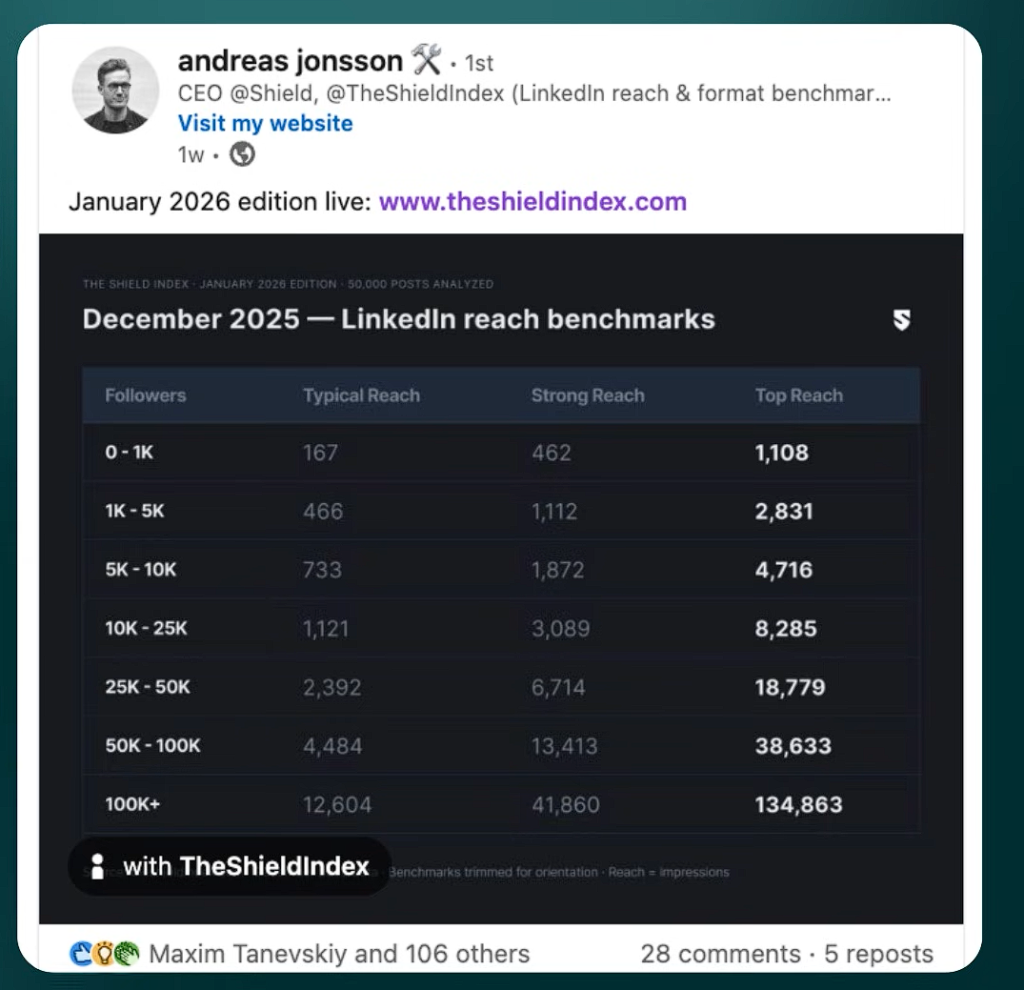
Execution matters more than audience size. That’s not motivational advice – it’s what the numbers show.
What stopped working
The algorithm change didn’t just shift priorities. It made several popular tactics either useless or actively harmful.
Engagement pods – The old system could be gamed by getting a bunch of people to comment in the first hour because early engagement velocity triggered one of the separate retrieval pipelines. The new system processes engagement differently. It tracks dwell time, scroll-back behavior, and genuine interaction patterns. It can tell the difference between someone who read your post, sat with it, and left a thoughtful comment versus someone who typed “great post” without reading anything. Pods create low-quality engagement signals that the AI learns to discount. Worse, they confuse your member embedding by associating your content with the wrong audience signals.
Timing optimization – The old advice was “post at 8 AM EST” because the system heavily weighted what happened in the first 60 minutes. The new system doesn’t have that same dependency. Posts get indexed in the GPURAR system within one minute and content embeddings update continuously. Since matching happens based on semantic relevance rather than recency-weighted engagement velocity, the exact hour you post matters far less than it used to. A great post at 2 PM will still find its audience.
Hashtag stuffing – The system reads your content semantically. It doesn’t need hashtags to understand what your post is about – the LLM processes the full text and generates an embedding that captures meaning, context, and topic. Adding #marketing #growth #leadership doesn’t help you get discovered because the AI already knows what topics you’re covering. Hashtags are basically invisible to the new system.
Generic advice content – This is the big one. If you’re posting the same “five tips for productivity” content that thousands of other people are posting, you’re competing in an incredibly crowded embedding space. When the AI generates embeddings for your post and it looks nearly identical to hundreds of other posts, there’s no reason for the system to surface yours over anyone else’s. Your post literally occupies the same coordinates in vector space as generic content from every other creator. The only way to differentiate is to bring original thinking, personal experience, or a unique angle that creates separation in the embedding space.
People were saying that engagement thresholds have risen and average content dies faster. They were right. But it’s not because LinkedIn arbitrarily decided to make things harder. The system is now sophisticated enough to understand quality and relevance at scale – and generic content doesn’t pass that bar anymore.
Proof that breaking the rules work
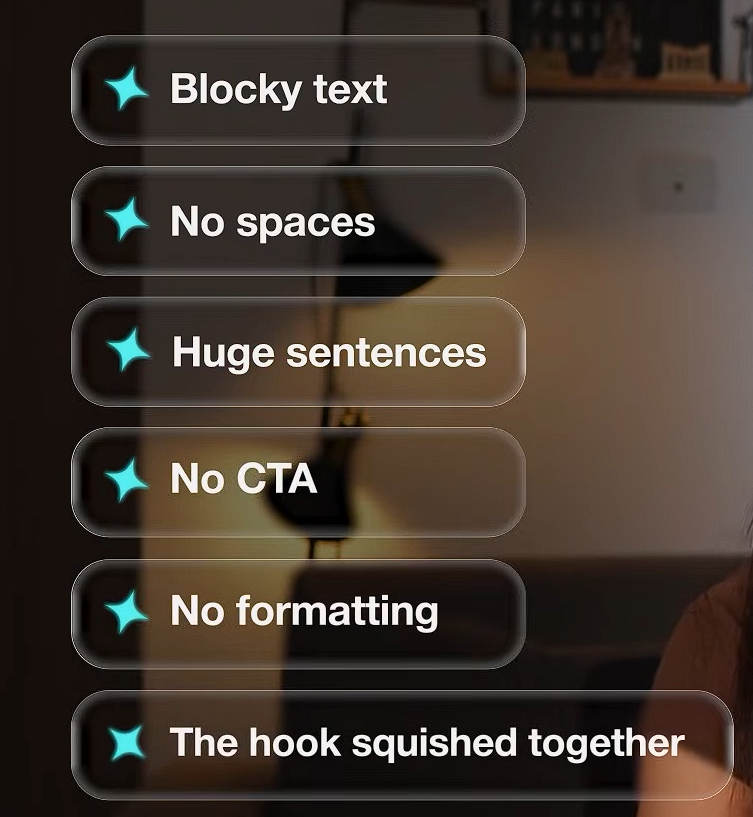
A few months ago, we did something for a client that broke every LinkedIn formatting rule that gurus preach. Blocky text. No spaces. Huge sentences. No CTA. No formatting. The hook squished together. Everything you’re told not to do.
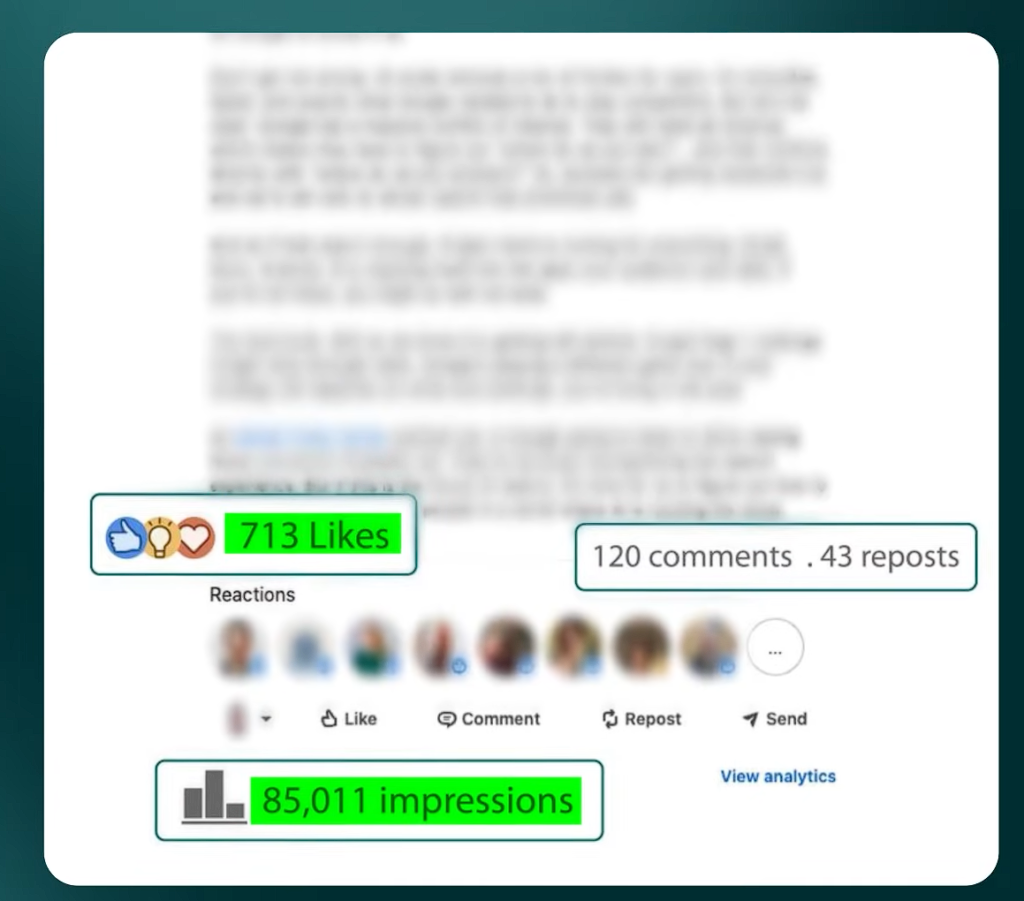
The results? 85,000 impressions, 713 likes, 120 comments, 43 reposts.
Why did it work? When I strategized that post, I knew it would perform. Not because of the formatting – because of the context. Major industry news had just broken. People were worried about their jobs, their brands, how they’d adapt. They didn’t want polished, LinkedIn-perfect, calculated content. They wanted something that felt real, raw, unpolished, and human.
The new algorithm doesn’t reward following formatting rules. It rewards understanding your audience deeply enough to know what they need at a specific moment.
And here’s the thing the GPURAR system actually confirmed – it embeds content based on meaning and professional relevance, not formatting. It doesn’t care if you used line breaks or didn’t. It cares whether the substance of what you wrote resonates with the people it’s trying to match it to.
Anyone can follow rules. Only a human can break them strategically.
I walk through the full case study with screenshots in the video.
What to focus on instead
Based on the research paper and what we’re seeing across our clients at Distinctiva, here’s what actually moves the needle now.
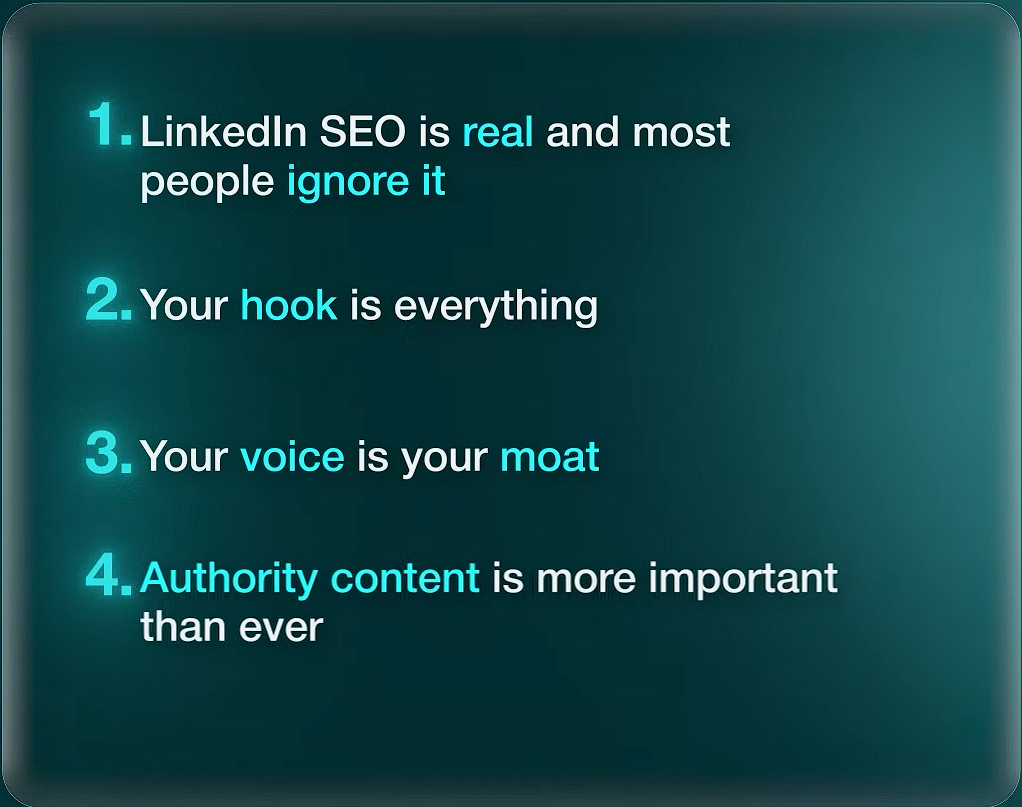
LinkedIn SEO is real. LinkedIn is now the second most cited source in AI Overviews. Your content can get discovered well beyond your network. Optimize your profile headline and about section with keywords your buyers actually search for. Write them naturally but strategically. LinkedIn newsletters rank on Google – treat them like blog posts. Name your carousel files with descriptive, keyword-rich titles before uploading. The system reads that metadata.
According to Semrush’s research, AI search visitors convert at 4.4x the rate of regular organic traffic. That means your LinkedIn content isn’t just reaching your network anymore – it’s feeding AI systems that answer questions across the entire web.
We’ve helped clients rank #1 on Google entirely from a LinkedIn newsletter. No blog post. No backlink campaign. Just smart keyword strategy published inside the platform.
Your hook is everything. You have three lines to convince someone to press “see more.” Most people waste those lines on setup. Your hook needs to create curiosity, challenge a belief, or promise specific value. And the best hooks usually aren’t written first – they’re found inside the body of the post and moved to the top. But here’s the algorithm angle: dwell time starts the moment someone stops scrolling. If your hook makes them pause, even for a second, that signal feeds back into the system. A great hook doesn’t just get clicks – it trains the algorithm that your content is worth showing.
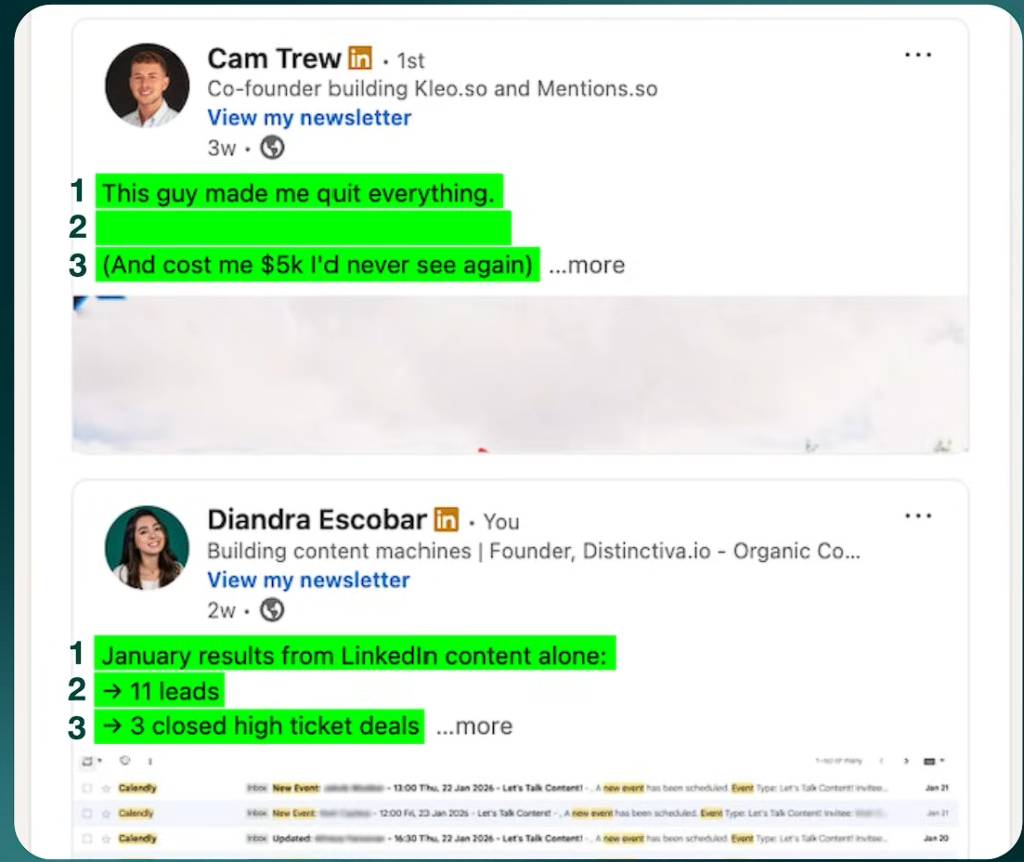
Your voice is your moat. When AI can generate decent content for anyone, the only thing that can’t be replicated is you. Your hot takes, your strong opinions, your weird analogies, the way you explain things differently from everyone else. In the context of the new system, this is literally about embedding differentiation. Generic content clusters together in the same vector space. Original thinking creates separation. The more distinctive your voice, the more your content stands out to the matching system.
Authority content matters more than ever. It’s not enough to share tips. You need to show why anyone should care about your tips. That means proof, results, stories, context. The system is encoding expertise based on how people engage with your content. Surface-level posts get scrolled past (low dwell time, no saves, no meaningful comments). Deep expertise gets saved, shared, and commented on with substance. That engagement pattern is what trains the algorithm to show your content to more people like the ones who engaged. Authority content creates a positive feedback loop that compounds over time.
The new playbook – What actually works now
If the old playbook is dead, here’s what replaces it.
Authority content over growth hacks. The system is learning what topics you actually know about based on your content history and engagement patterns. Every post you publish gets embedded and added to your content footprint. If you post surface-level content that gets scrolled past (low dwell, no engagement), the system learns that your content isn’t valuable. If you post deep expertise that people dwell on and engage with meaningfully, the system learns that too and shows more of your content to similar audiences. Stop trying to go viral. Start trying to be genuinely useful to a specific audience.
Your profile matters more than ever. Your profile is now literally a prompt that gets fed into the AI. Your headline, about section, job history, skills, certifications – everything gets converted to text and processed by a language model to generate your member embedding. If your profile is generic (“Marketing professional passionate about growth”), your embedding is generic, and your content gets matched to generic audiences. If your profile clearly signals your expertise, your industry, and who you help, your content gets matched to the right people. Think of it this way: the more specific your profile, the more precise the algorithm’s targeting becomes. Treat your profile like a landing page, because functionally, it is one.
Meaningful engagement compounds. The system tracks your engagement history as a time-ordered sequence. Every post you comment on, every piece of content you spend time with, that feeds into your member embedding. Strategic commenting isn’t just about visibility anymore – it’s about training the algorithm to understand what you’re about. When you leave a thoughtful comment on content in your niche, you’re adding a data point to your behavioral sequence that tells the system “this is my professional interest area.” Over time, your content gets shown to people with similar interest profiles – not because they follow you, but because the embeddings align.
Dwell time is the new engagement metric. The system doesn’t just track whether someone liked your post. It tracks whether they actually read it, how long they spent on it, whether they scrolled back up to re-read a section, whether they came back to it later. You can’t fake dwell time. Either your content is interesting enough that people stop scrolling and read it, or it isn’t. This is why depth beats breadth – a 200-word post someone reads in 5 seconds generates a weaker signal than a substantive post someone spends 45 seconds with.
Newsletters and long-form content get weighted. The system processes different content types, and LinkedIn newsletters create a recurring engagement pattern that strengthens your member embedding over time. Subscribers who consistently open and read your newsletter are building a strong behavioral signal – both for them (they see more content like yours) and for you (the algorithm learns your content retains attention). If you’re not publishing a LinkedIn newsletter, it’s worth exploring.
What to take away from this
Six months ago, everyone was panicking about reach drops. Including me – I literally run an agency that does this.
The theories weren’t wrong exactly. Content supply is exploding. LinkedIn probably is optimizing for ad revenue. The platform is maturing.
But underneath all of that was a fundamental shift that nobody outside LinkedIn understood. They rebuilt the entire retrieval and ranking system from the ground up. They replaced a complex web of separate pipelines with a unified AI model built on Meta’s LLaMA 3, fine-tuned on their own engagement data, that actually understands what content means and who it’s relevant for.
The people who are going to win on LinkedIn now aren’t the ones with the biggest audiences or the best engagement pods or the most optimized posting schedule. It’s the people who understand their audience deeply enough to create content that genuinely resonates. The people who have real expertise and can communicate it clearly. The people who treat LinkedIn like a long-term trust-building platform instead of a viral content lottery.
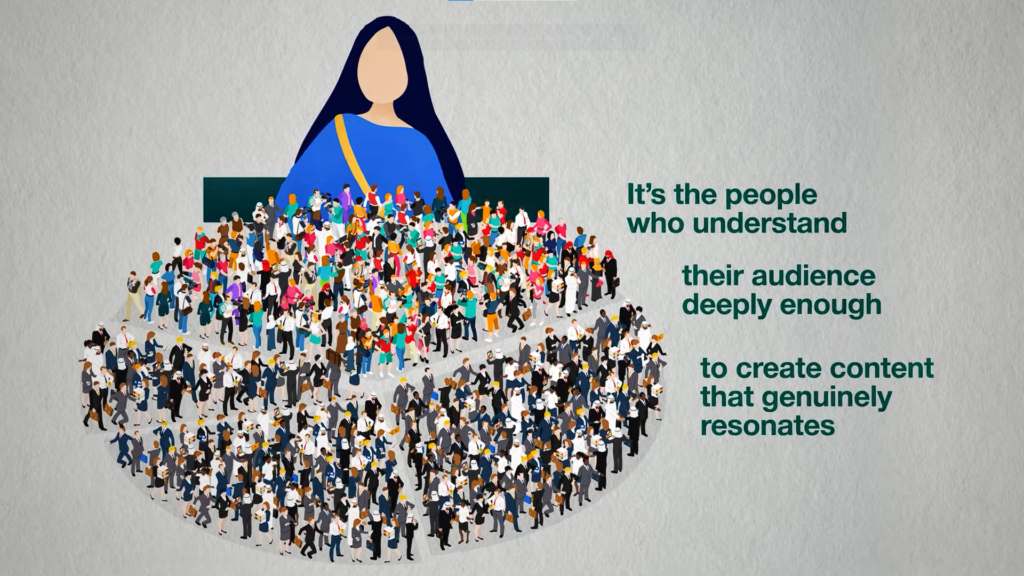
That’s always been the right approach. But now the algorithm is sophisticated enough to actually reward it.
How to accelerate results
If you have budget and want to speed this up, LinkedIn ads targeting people who already engage with your content or visited your profile is incredibly efficient.
You’re not cold advertising. You’re staying top of mind with people who already showed interest. The CPMs are higher than other platforms, but the intent is higher too. It’s worth testing once your organic system is working.
And if you want us to build this for you – if you’re a founder or executive who wants to become the recognizable voice in your industry but doesn’t have time to figure this out yourself – that’s exactly what we do at Distinctiva.
We extract your expertise, build your content machine, and turn LinkedIn into a content engine for your business.
Watch the full breakdown with all the technical details and data here → The NEW LinkedIn Algorithm Explained